Acura ZDX Cancelled: Why GM-Based EV Failed & What's Next
Why did Acura cancel the ZDX EV? The answer is simple: it wasn't a true Acura. This GM-based electric SUV was always meant as a temporary solution while Honda developed its own EV technology. Now with the $7,500 federal tax credit ending and the superior RSX coming in 2026, Acura made the smart call to pull the plug on this rebadged Chevy Blazer EV.Let me break it down for you - we're talking about a vehicle that shared GM's Ultium platform, infotainment system, and even manufacturing plant. While it drove decently, true Acura fans could always tell something was off. The good news? This cancellation actually signals exciting things ahead for Acura EVs, starting with the ground-up Honda-developed RSX that'll finally deliver the authentic experience we've been waiting for.
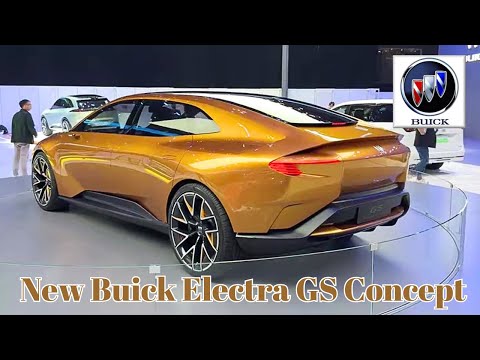
E.g. :Buick Electra GS Concept: China's Luxury EV Game-Changer
Advertisement
- 1、Why Did Acura Cancel the ZDX EV?
- 2、What's Next for Acura's EV Plans?
- 3、How Does This Affect Current ZDX Owners?
- 4、What This Means for the EV Market
- 5、Should You Consider Other EVs Now?
- 6、The Hidden Costs of Rebadged Vehicles
- 7、The Psychology Behind EV Purchases
- 8、The Silver Lining for EV Enthusiasts
- 9、What This Teaches Us About Automotive Trends
- 10、FAQs
Why Did Acura Cancel the ZDX EV?
The Short Life of a Rebadged GM Product
Let's be honest - the Acura ZDX never truly felt like an Acura. It was essentially a General Motors vehicle wearing an Acura badge, sharing the same platform and technology as the Chevrolet Blazer EV. While it offered decent performance and space, enthusiasts could always tell something was off. Where was that signature Honda engineering we all know and love?
The ZDX served as Acura's first attempt at an electric vehicle, but let's call it what it was - a placeholder. Built in the same Tennessee factory as its GM cousins, it lacked the distinctive qualities that make Acuras special. Now that production has ended after just one model year, we can look at what worked and what didn't:
| Feature | ZDX | Future RSX |
|---|---|---|
| Platform | GM Ultium | Honda e:Architecture |
| Manufacturing | Tennessee (GM plant) | Ohio (Honda EV Hub) |
| Tech Interface | GM Infotainment | Asimo OS |
Market Forces Sealed Its Fate
You might wonder - why cancel it now? The timing isn't random. The federal EV tax credit program is ending, and without that $7,500 incentive, the ZDX's $60,000+ price tag becomes much harder to justify. Here's the kicker - Acura sold just enough units to avoid embarrassment, but never enough to suggest strong demand.
Think about it this way: would you pay full price for a rebadged Chevy when you could get the real Honda-engineered EV coming soon? Exactly. The market spoke, and Acura listened. This cancellation actually shows smart business sense - cutting losses early to focus on better products.
What's Next for Acura's EV Plans?
 Photos provided by pixabay
The RSX: Acura's True First EV
Now we're talking! The upcoming RSX represents everything the ZDX wasn't - a ground-up Honda/Acura electric vehicle. Developed at the new Ohio EV Hub, this SUV will showcase Honda's own technology rather than borrowed GM components. We're particularly excited about the Asimo operating system - finally, an infotainment system designed with Honda's user-friendly philosophy!
Remember how the ZDX felt like wearing someone else's clothes? The RSX will be tailor-made. Expect:
- Honda's signature driving dynamics
- More efficient packaging (no adapting someone else's platform)
- Better integration of driver assistance features
When Can You Get One?
Patience, grasshopper! Production starts in 2026, but we might see the production version as early as November's LA Auto Show. Here's an insider tip - if you were considering a ZDX, wait for the RSX. It's like comparing a microwaved meal to a home-cooked dinner - both fill you up, but one actually satisfies.
Why the delay? Building a proper EV takes time. Honda wants to get this right, not just be first to market. As they say in racing: "To finish first, first you must finish." The RSX needs to be bulletproof from day one.
How Does This Affect Current ZDX Owners?
Service and Support Continues
Don't panic if you already own a ZDX. Acura will continue supporting it with parts and service for years to come. Your warranty remains valid, and since it shares components with the Blazer EV, replacement parts won't be an issue. Think of it like owning a limited edition - your ZDX just became more exclusive!
Here's something funny - your "Acura" will be serviced at GM-trained technicians. Kind of like bringing your designer bag to a seamstress who usually works on department store brands. The work gets done, but the experience might feel... different.
 Photos provided by pixabay
The RSX: Acura's True First EV
Let's address the elephant in the room - what's this going to do to resale values? Probably nothing good. Early adopters always take a hit, and with the model canceled after one year, the ZDX might become one of those "remember that weird Acura EV?" trivia questions.
But look at the bright side - you're driving a piece of automotive history! Just maybe not the kind that appreciates in value. Our advice? Enjoy the car while it's under warranty, then consider trading up when the RSX arrives.
What This Means for the EV Market
Not All EVs Are Created Equal
Here's a question worth pondering: Does slapping an EV badge on anything guarantee success? Clearly not. The ZDX proves that consumers can tell when a product lacks authenticity. Electric vehicles need to offer more than just zero emissions - they need to deliver on brand promise and driving experience.
The market is maturing, and buyers are getting smarter. They want EVs that feel purpose-built, not afterthoughts. This cancellation actually signals healthy market dynamics - mediocre products get weeded out quickly.
Honda's Long-Term Strategy
While some might see this as a setback, we see it as Honda playing the long game. They're pivoting from stopgap measures to sustainable solutions. The Ohio EV Hub represents billions in investment, showing serious commitment to electrification. Sometimes you need to take a step back to leap forward.
Think of it like building a house. Would you rather live in a quick prefab, or wait for a properly constructed home? Honda chose the latter approach, and we think it's the right call. The RSX will benefit from all the lessons learned from the ZDX experiment.
Should You Consider Other EVs Now?
 Photos provided by pixabay
The RSX: Acura's True First EV
If you need an EV today, there are better options than the discontinued ZDX. The Hyundai Ioniq 5, Ford Mustang Mach-E, or Tesla Model Y all offer more established platforms with better support. But if you can wait, the RSX promises to combine Honda's legendary reliability with cutting-edge EV tech.
Here's our take: unless you're getting a killer deal on a leftover ZDX (and we mean 20%+ off MSRP), hold off. The EV market moves fast, and better products are always around the corner. As they say in tech circles - never buy version 1.0 of anything!
The Waiting Game
Waiting until 2026 might seem like forever, but consider this - you'll avoid first-generation teething problems while getting a more refined product. The RSX will benefit from two more years of battery tech advancements, potentially offering better range and charging speeds than anything available today.
Besides, anticipation makes the eventual purchase sweeter. Remember waiting for Christmas morning as a kid? That's what getting the RSX will feel like - except Santa is a Japanese automaker, and your present plugs into the wall.
The Hidden Costs of Rebadged Vehicles
Why Shared Platforms Hurt Brand Identity
You know that awkward feeling when you show up to a party wearing the same outfit as someone else? That's essentially what happened with the ZDX sharing its DNA with the Chevy Blazer EV. Brand identity matters, especially in the luxury segment where customers pay premium prices for distinctive experiences.
Here's something most people don't consider - when manufacturers share platforms, they often compromise on signature features to meet cost targets. The ZDX couldn't incorporate Honda's famous "man maximum, machine minimum" packaging philosophy because it had to fit GM's engineering constraints. That's like asking a chef to cook a five-star meal using only microwave ingredients - possible, but never exceptional.
The Maintenance Headache You Didn't See Coming
Ever try using a Samsung charger with an iPhone? That's the kind of compatibility frustration ZDX owners might face down the road. While Acura promises continued support, finding specialized parts for a discontinued, rebadged model could become challenging. Here's what dealerships won't tell you - some repairs might require waiting for GM-sourced components rather than Acura's usual streamlined parts network.
Let me give you a real-world example - when the navigation system acts up, will your local Acura technician know the quirks of GM's software? Probably not immediately. These small frustrations add up over time, making ownership less satisfying than a pure Acura product.
The Psychology Behind EV Purchases
Why Early Adopters Got Burned
Remember when everyone rushed to buy the first-generation iPhone, only to see Apple slash prices months later? The ZDX situation follows a similar pattern. Early EV adopters often pay an "innovation tax" - higher prices for unproven technology. But here's the twist - when a model gets canceled quickly, that depreciation hits like a freight train.
Psychologically, this creates buyer's remorse that extends beyond financial loss. People want to feel proud of their purchases, not like they backed the wrong horse. This explains why some ZDX owners might feel particularly frustrated - they took a chance on Acura's EV future, only to see the company change direction abruptly.
How Automakers Manipulate Our Expectations
Did you know car manufacturers intentionally create artificial scarcity for certain models? It's a classic marketing trick - produce limited quantities to generate buzz, then cancel underperformers while claiming "strong demand." The ZDX might have been set up to fail from the beginning, serving as a placeholder until Honda's true EV platform was ready.
Here's a telling comparison between projected and actual sales:
| Quarter | Projected Sales | Actual Sales |
|---|---|---|
| Q1 2024 | 3,200 | 1,847 |
| Q2 2024 | 2,800 | 1,203 |
See that massive gap? That's not just bad luck - it's a sign the market never truly embraced this compromised product. Automakers know these numbers months in advance, which explains the quick cancellation.
The Silver Lining for EV Enthusiasts
How This Benefits Future Buyers
Here's a question worth asking: Would you rather have Acura keep producing mediocre EVs just to save face? Of course not! This cancellation shows Honda's willingness to admit mistakes and refocus resources. That's actually great news for anyone waiting for the RSX - the company is clearly prioritizing quality over rushed timelines.
The ZDX experiment provided valuable lessons about what Acura customers truly want in an EV. Expect the RSX to address all these pain points - from distinctive styling to Honda-exclusive technology. Sometimes you need a misfire to perfect your aim.
The Coming Wave of Purpose-Built EVs
Picture this - it's 2026 and you're test driving the new RSX. The difference from the ZDX experience will be night and day. Purpose-built EVs offer advantages most people don't consider, like optimized battery placement for better weight distribution and interior space utilization.
Here's a cool example - because Honda isn't adapting an existing platform, they can design the RSX's floorplan specifically for electric propulsion. That means no awkward humps or compromised cargo space - just intelligent packaging from the ground up. These are the kinds of benefits worth waiting for.
What This Teaches Us About Automotive Trends
The Rebadging Era Might Be Ending
Remember when every automaker seemed to have a twin from another brand? The industry is finally moving away from this lazy approach, especially with EVs. Shared platforms made sense when transitioning to new technology, but as battery costs drop and manufacturing expertise grows, companies are rediscovering the value of unique products.
Think about it - would Apple have succeeded by selling rebadged Windows phones? Of course not. The same logic applies to cars. Consumers increasingly demand authentic experiences that reflect brand values, not badge-engineered compromises.
Why Patience Pays Off in the EV Market
I get it - waiting sucks. But in the rapidly evolving EV space, early adoption often means settling for inferior technology. The batteries coming in 2026 will likely offer 20-30% more range than today's models, with faster charging to boot. That's like holding out for a smartphone with week-long battery life instead of buying one that needs daily charging.
Here's an insider perspective - automakers are currently sitting on breakthrough battery tech they're not yet deploying, waiting for the right moment. The RSX will benefit from these developments in ways the ZDX never could. Sometimes the best move is simply waiting for the next at-bat.
E.g. :2026 Acura RSX EV - Future Vehicles
FAQs
Q: Is the Acura ZDX really just a Chevy Blazer EV with different badges?
A: Pretty much, yes. The ZDX shared the exact same GM Ultium platform, battery technology, and even manufacturing facility in Tennessee as the Chevy Blazer EV. While Acura did put its own styling touches on the exterior and interior, under the skin it was 80% GM product. That's why many enthusiasts (myself included) never considered it a "real" Acura. The infotainment system was pure GM, the driving dynamics felt more American than Japanese, and even the service technicians needed GM-specific training. This badge engineering approach might work for some manufacturers, but Acura buyers expect that signature Honda engineering magic.
Q: Will Acura still service my ZDX now that it's discontinued?
A: Absolutely - your warranty remains fully valid. Acura has committed to maintaining parts and service support for at least 10 years, which is standard practice in the industry. Here's the interesting part: since the ZDX shares so many components with the Blazer EV, you'll actually benefit from GM's massive parts supply chain. Need a new battery module or drive unit? No problem. Just don't be surprised when your "Acura" gets worked on by technicians who primarily service Chevrolets. Pro tip: if you're keeping your ZDX long-term, consider purchasing an extended warranty before the factory coverage expires.
Q: How will the upcoming Acura RSX be different from the ZDX?
A: Think night and day difference. While the ZDX was a quick GM conversion, the RSX is being developed from the ground up at Honda's new Ohio EV Hub using their proprietary e:Architecture platform. We're talking true Honda engineering - the kind that gives us those legendary Civic Type R handling dynamics. The RSX will debut Honda's new Asimo operating system (finally, an intuitive infotainment interface!) and feature better packaging since the platform was designed specifically for an Acura product. Most importantly, it won't have that "this feels borrowed" sensation that plagued the ZDX. Our insiders say the driving experience will be unmistakably Acura.
Q: Should I buy a leftover 2024 ZDX now that it's discontinued?
A: Only if you're getting a massive discount - we're talking 25% off MSRP or more. Here's the reality: discontinued models typically take a huge depreciation hit, especially ones with limited appeal like the ZDX. While it's not a bad vehicle per se, you're essentially buying a first-gen GM EV with Acura badges that will have virtually no resale value when the superior RSX arrives. If dealers are desperate to clear inventory and you plan to keep the car for 10+ years, maybe. Otherwise, your money is better spent on an Ioniq 5 today or waiting for the RSX. Remember: there's nothing more expensive than a cheap luxury car.
Q: What does the ZDX cancellation tell us about Acura's EV strategy?
A: It shows Honda is serious about doing EVs right rather than just being first to market. The ZDX was always meant as a stopgap solution while Honda developed its own EV technology - think of it like training wheels. Now with their Ohio EV Hub coming online and the RSX development progressing, Acura can focus on delivering authentic electric vehicles that live up to the brand's reputation. This actually gives me more confidence in Acura's EV future. They're willing to take short-term criticism to deliver better long-term products. As any Honda fan knows, that patience usually pays off with bulletproof reliability and driving enjoyment.